Category Archives: Outdoor News

Park City Closes Despite Great Snow

Park City Closes

I’m almost done. My last day teaching for Canyons Resort is next week and then Park City closes for skiing April 7. The 2019/20 is drawing to a close for our Park City resorts but it’s way too soon. Locals are angry and asking, “Why?” After all, Colorado ski areas have been announcing extended closing dates right and left. (Of course, they are still closing in April and Utah has a lot more snow.)

This is the first ski season in five that’s still delivering the goods on top of a solid base, yet Deer Valley and Park City won’t budge. Hotel bookings, retail and restaurant sales will plummet. Sure, come to Park City in April. You won’t be able to ski but oh well. To hell with the late spring breakers, Easter guests and season pass holders.
“Vail needs to listen to the locals of Park City. It should be reveling in the fact that there is plenty of skiing left,” says local Jim Snyder. “Aspen and Snowmass are open until April 21st. So the choice is stay open, enjoy 2 additional weekends of great fun, lots of great food and drink, music and so on. Or close down and never get back the business that will be lost, forever.”

Deer Valley Doesn’t See Benefits

Deer Valley’s Emily Summers said history dictates the close. “We have not had success in staying open longer in April when Easter is late like it is this year,” Summers said. “In past seasons where the calendar was similar, we didn’t see the skiers to warrant staying open later, and extending a season doesn’t give people the time to plan ahead and make a last-minute ski trip.”

To date, Deer Valley has a base of 113 inches, with a total snowfall of 324 inches while PCMR was reporting a 113 inches, and nearly 340 inches for the year. There is a cold storm on the way to Utah this Wednesday night and a wet April in the forecast.

“Pretty sad that PCMR won’t stay open,” said Jennilee Post on the ParkRecord.com site. “DV has always closed early so that is actually normal. Since Vail took over it’s been a total crap show. No night skiing for all the kids, no parking. A real ski town has night skiing and stays open when there is finally snow. Sad times for P. City.” Snowbasin and Solitude, owned by DV’s Alterra Mountain Co., will close April 14, followed by Brighton, Alta and Snowbird.

park city closes

Fortunately, our two “indie” resorts, Snowbird and Alta, offer skiing through April. Snowbird might possibly stretch its season through June with all the snow they’ve seen this season (546 inches so far!) so if you’re thinking of learning to ski or snowboard, or you’re not ready to call it quits, you have options. The ski schools are still running as well so find a pro to help you master your spring turns.

Get Better After Park City Closes

In case you need a reason to take a lesson when Park City closes in two weeks, PSIA- the Professional Ski Instructors of America have put out this list. No matter what someone’s level of experience, from never-ever skiers to a slayer of bumps, taking a ski or snowboard lesson in the spring will up your game.

  1. It’s easier and faster to learn from an instructor. Instructors are professionals trained to teach people how to ski and snowboard. “We know how to break down the movements and provide helpful feedback,” said PSIA Alpine Team Member Eric Lipton. “You’ll be a more effective skier or rider if you learn the right way.”
  2. You WILL improve. “No matter your ability level, you can always use a coach – there is always something you can improve on,” said PSIA Alpine Team Member Jennifer Simpson Weier. “The more things that you learn to do on your skis, the more the mountain opens up to you and the more fun you’ll have.”
  3. You can stay pleasantly warm while you stand for tips and answers. You certainly won’t be complaining about cold toes and fingers while your instructor explains how to turn in slush. “Whether you’re a beginner trying to get your helmet adjusted, or an advanced snowboarder working on your tricks, professional instructors are just that, pros. We can show you how to learn a sport using simple steps,” said AASI Snowboard Team member Tony Macri.
  4. Instructors show students new terrain and help them explore the mountain. Looking for a mellow groomer? Or seeking out a hidden powder stash in May? “Our job is part instructor and part mountain guide. We’ll show you the terrain that is going to help you have the most fun,” said PSIA Telemark Team Member Gregory Dixon. “We also know where to find the best snow – so take a lesson and we’ll explore the best places to ski or ride.”
  5. Get welcomed into the mountain culture. “It’s more than just a lesson,” said Dixon. “Many do this job because they enjoy sharing their knowledge and making connections with people, and they want others to love the sport as much as they do.” And after your lesson, there’s apres tailgating!

If you’re new to the sport, check out these PSIA-AASI’s Beginner’s Guides:

thesnowpros.org/take-a-lesson/beginners-guide-to-skiing   

thesnowpros.org/take-a-lesson/beginners-guide-to-snowboarding

Or my own tutorials on skiing spring conditions:

Ski Pass Prices Aren’t So Epic

ski pass

Don’t say I didn’t warn you. That once seriously affordable season pass offered by Vail Resorts is now no cheaper than your average ski area season pass; and, if you’re comparing it to Snowbird or Alta, it’s even more expensive.

Five years ago, when Vail Resorts purchased Canyons Resort, Utah, they touted an unlimited season pass for $729. The next year it ‘climbed’ to $769, and included both Park City and Canyons. People raved about how this would change the industry for the better and how it would force resorts to compete with their pricing. I called BS on the whole thing and said you watch. In a few years, it won’t be any bargain. Five years later and the price has increased nearly 30 percent! Vail Resorts has announced their 2019/20 pass prices

$939. But, hey, it’s ten bucks cheaper than the Ikon.

Epic Day Ski Pass Prices

Vail has also rolled out an “affordable” option for those not wanting a full season pass. If you can’t make it to a hill – basically any hill- for more than 8 days in one season you can now purchase an “Epic for Everyone” pass where you can load up to seven days on it. The new Epic Day Pass is priced out per day (holidays are extra) and are good at any of the company’s North American-owned resort: Vail, Beaver Creek, Breckenridge, Whistler Blackcomb, Keystone, Crested Butte, Park City Mountain Resort. Those purchasing four or more days will also get access to Telluride, Sun Valley, Snowbasin, and Resorts of the Canadian Rockies.

The company claims that you could save up to 50 percent off of lift ticket window prices which means EGAD! that walk-up pricing will reach $200 in 2020. Here’s the price break down for adult tickets:

Epic 1-Day Restricted Pass$106
Epic 1-Day Pass$125
Epic 2-Day Restricted Pass$206
Epic 2-Day Pass$242
Epic 3-Day Restricted Pass$300
Epic 3-Day Pass$352
Epic 4-Day Restricted Pass$388
Epic 4-Day Pass$456
Epic 5-Day Restricted Pass$470
Epic 5-Day Pass$553
Epic 6-Day Restricted Pass$548
Epic 6-Day Pass$645
Epic 7-Day Restricted Pass$621
Epic 7-Day Pass$731


The Full Season Ski Pass Reveal

For guests looking to ski more days in a season (basically, 8+) there’s the Epic Pass and Epic Local Pass at $939 and $699 respectively. The difference between the two lies in that one is unrestricted access at 60 VR areas and 7 days at Snowbasin and Sun Valley, while the other offers unlimited at 30 resorts (only 10 days at Vail, Beaver Creek and Whistler), blackouts over Thanksgiving, Christmas and President’s Weeks and 2 days at Snowbasin and Sun Valley. As a bonus, if you buy the Epic Pass or Epic Local Pass this spring you will also get 10 Buddy Tickets (up from six last year) and six Ski With a Friend Tickets. The Buddy tickets is a flat-rate discount for friends and family and the SWAF is a variable rate discount depending on the day.

Visit http://www.epicpass.com for more details.

Warren Miller Ski Flick Pays Tribute To The Legend

warren miller ski

In this world nothing can be said to be certain, except death and taxes…and Warren Miller Ski Movies. 

With winter around the corner, the Warren Miller Entertainment team (WME) will once again kick off the season with its 69th installment. The new ski and snowboard film, Face of Winter, however, will be different. It won’t be simply a recycling of traditional ski porn. This one- the first produced since the iconic Miller’s death earlier this year- promises to tug on our nostalgic ski heartstrings.

warren miller ski

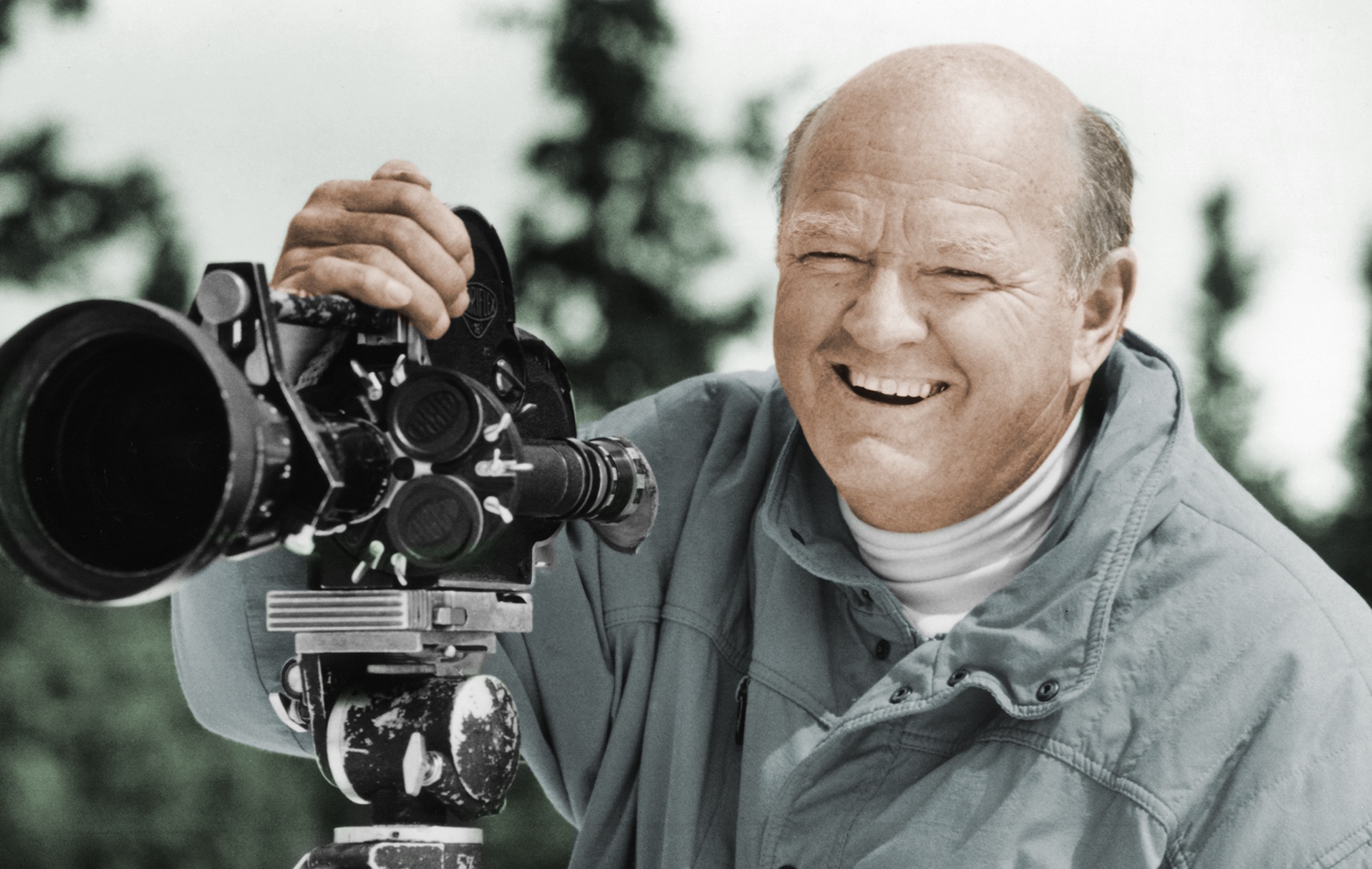
Photo cred. Warren Miller Co.

FOW celebrates the man who became known as the father of ski bums. Miller cultivated the skier mentality, the industry, and the places and people he met along the way.  He was 93 when he passed in January 2018 and through those years he not only witnessed the impressive growth of the ski industry but documented the best athletes in the world who led the charge. He covered through film, art, books and articles, outdoor pursuits and water sports like surfing and sailing in addition to his passion for snowsports.

He produced more than 500 films that spanned six decades and inspired countless men, women and children to ditch normalcy and seek a life of extreme adventure; myself included. He set the tempo with tales like braving 100 days in Sun Valley, Idaho, living out of a teardrop trailer on $18 bucks.

Warren Miller Ski Films Leave Their Mark

“I will say that without Warren Miller I wouldn’t lead the incredible life I do!” freeskier Amie Engerbretson told the film crew at Teton Gravity Research, one of the first film production companies to follow in WME’s footsteps. “Warren inspired my grandfather, my father and myself to pursue a life of skiing, chasing mountains and making films! He will live in my heart forever!”

The Warren Miller name became synonymous with the sport of skiing but Miller himself was also a World War II veteran, a ski instructor and ski racer, an accomplished surfer, and a champion sailor. He also provided entrepreneurial training to thousands of kids nationwide, emphasizing hard work, ingenuity, and creativity.

New and veteran athletes have come together in Face of Winter to pay tribute to the man who started it all. Jonny Moseley, Marcus Caston, Seth Wescott, Forrest Jillson, Kaylin Richardson, Dash Longe, Anna Segal, Michael “Bird” Shaffer, and featured athletes of the U.S. Cross Country Ski Team, including gold medalist, Jessie Diggins visit some of Warren’s favorite places from Engleberg to Chamonix, British Columbia to Alaska, Chile, Iceland, New Zealand and more. 

“The film is for anyone whose life (whether they realize it) was impacted by Warren Miller,” says WME Managing Director Andy Hawk. “We are all the face of winter—from the athletes to the audience to the locals in far-off destinations or even at our home mountain. Warren recognized this, and this year’s film celebrates that.”
I will admit that I’m hesitant to see this year’s WM flick. It’ll be interesting to see how the other resorts fared and the footage gathered last season after the crappy snow we all had in North America. But it’s not because I think the snow will look meh. It’s because of the void that is left by the ski storyteller. I hate crying in public and I know I will. 
I grew up on Warren Miller movies. They launched me into each ski season. And it was that infamous quote – “If you don’t do it this year, you’ll be one year older when you do” – that moved me to Mammoth as a junior in college, Aspen after graduation, Park City after Aspen and I finally booked that bucketlist trip to Hokkaido, Japan, this coming January 2019.

As long as WME keeps making these ski movies, the spirit of the ski bum will live on but this season’s edition can’t help but be more poignant than ever. 

Warren Miller Ski Film Screenings

————————————————————————————————–

Face of Winter, presented by Volkswagen, will premiered worldwide in Portland, Ore., on October 12 before heading to Utah on Oct. 17. Screenings will then sweep across the U.S., from the Pacific Northwest to the East Cost from October to December. Click here for tour dates and detes. 
BTW< If you are attending in Utah, this year’s screenings will be at the Rose Wagner Theater rather than Abravanel Hall. The $23 tickets also include a BOGO day pass to Jackson Hole and $50 off a Mountain Collective Pass. [But if you already have the Mountain Collective (comes with a Snowbird or Alta season pass) you already get half off in Jackson.]

Ode To S’mores

Get the latest outdoor, travel, pets, dining, night life, Ski-tracks, Gadgets, softgoods, events, and adventure news

I must have liked s’mores as a child. What’s not to like about a sticky, gooey, chocolate mess of sweetness that tempts you to beg for ‘some-more’ but leaves you with a bellyache if you aren’t careful? It’s the ultimate kid food and a perennial campfire favorite. Camping and s’mores are like skiing and hot chocolate or surfing and fish tacos. You can’t have one without the other… or at least you shouldn’t.

smores

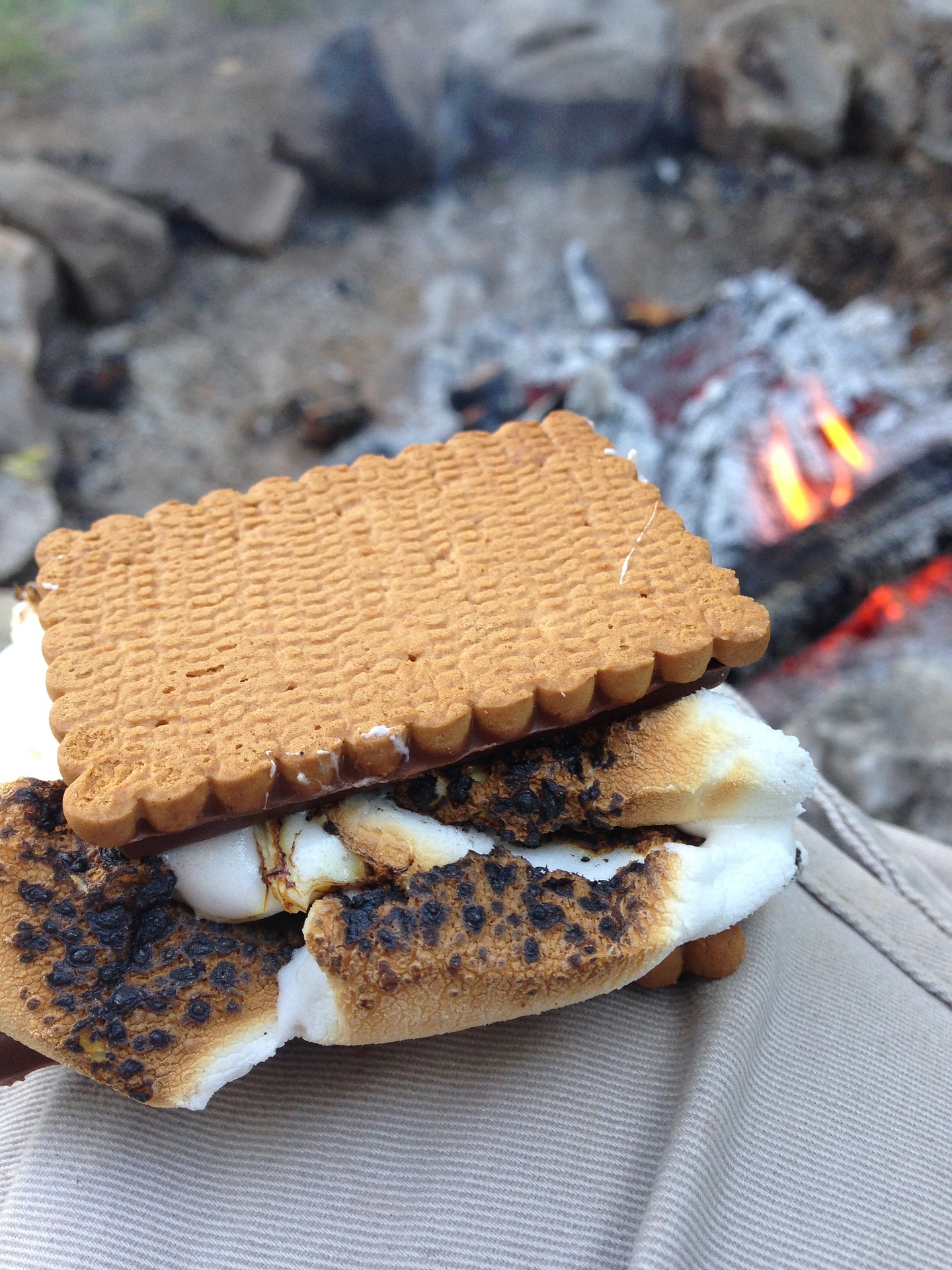
Photo courtesy Max Pixel


The premise is simple- half a graham cracker, a layer of milk chocolate, a roasted marshmallow or two, topped with another half graham cracker; smushed ever so slightly together to cause the chocolate to melt before you bite down. These treats lure kids of all ages to join around the campfire when they’d rather crawl into a tent and pass out. It brings the community together for a few last songs or tales in the dark night air. Yet when you think about it. It’s a really weird food.

Origin of the S’More

Ancient Egyptians are credited with discovering a wild herb that grew in a marshland. The sap of this plant was extracted and mixed with a honey-based confection but reserved only for the pharaohs and gods. The rest of the populace were not worthy. Or you could buy the story of how Native Americans harvested sweet blue and pink flowers that dotted the banks of bays and rivers. They would pick the blossoms just before they opened and boil them in a small amount of water so they would form a paste. They ate it straight out of the bowl or smeared it onto food as a sweetener.

In the 1800s in France, candymakers would mix the marshmallow sap with egg whites and sugar to make the first official marshmallow. They later used corn starch molds for faster processing. However, the first s’mores recipe debuted in a 1927 Girl Scout handbook and the rest, so they say, is history.
But not all marshmallows are created equal nor roast the same. The cheap kind disintegrate in the flames or melt right off the tines. 


Unlike with other traditions, there’s no sin in straying. Gourmands have been known to use a variety of flavored mallows from strawberry to whiskey. We even tried Peeps once but the sugar carmelizes and the whole thing falls in the fire. You can also mix up the size with jumbos and minis.

Best ways to toast s’mores

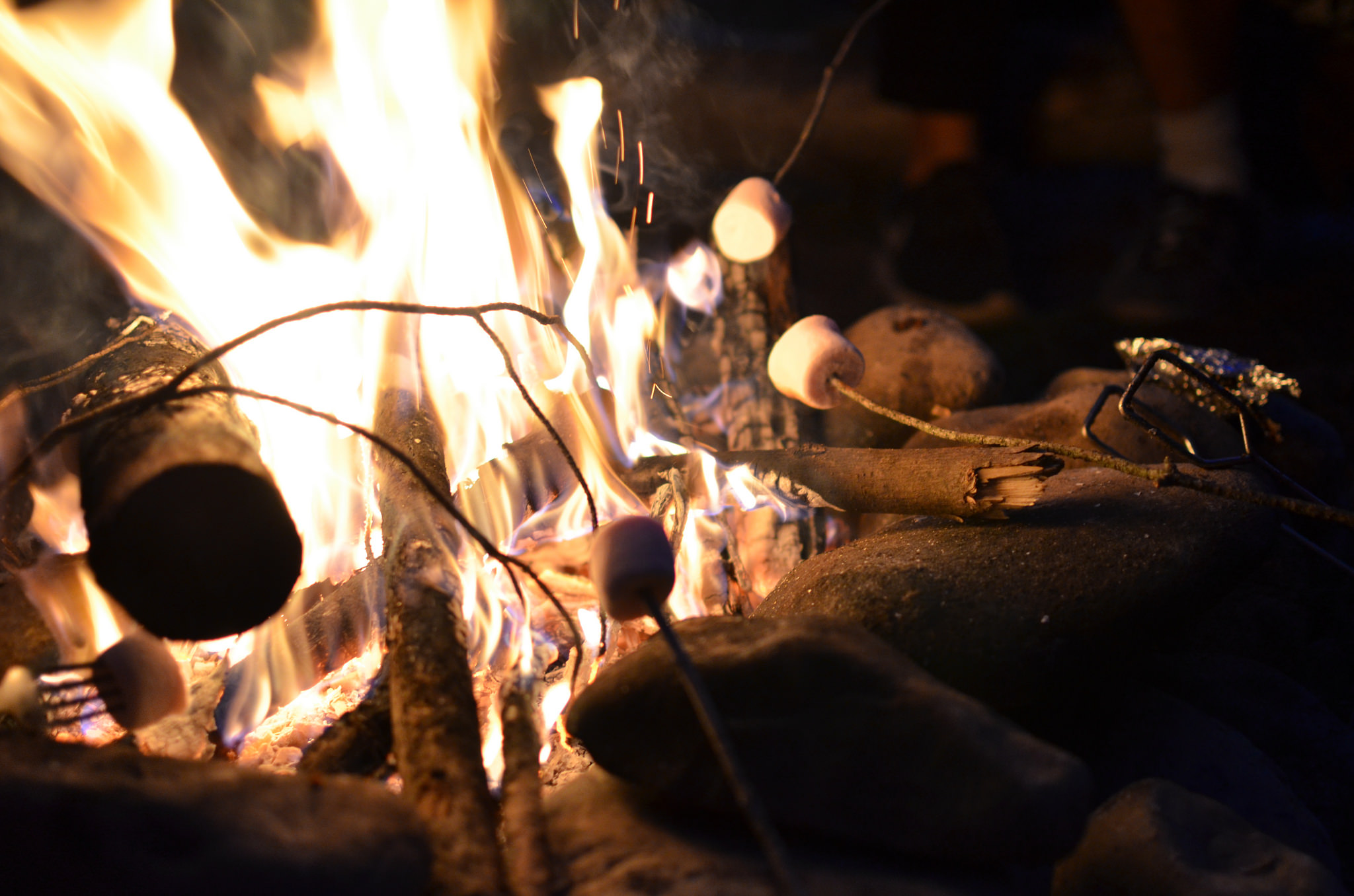
Proper roasting technique is important once you’ve found the mallow that speaks to you. Newbies will usually char the outside yet the inner is still firm and undercooked. Bleh. Experts use patience and the heat of coals and embers (rather than the flames themselves) to toast the fluff to a golden brown. Make sure to use a clean stick with a pointed end so the mallow doesn’t smash down when you pierce it. The stick should be long enough so you can sit comfortably and safely by the fire while you slowly rotate it.

https://www.flickr.com/photos/aurelienbreeden/

If you want a more consistent and efficient roast then choose metal (a hanger works marvelously) over wood for your stick. In fact, pros come with their own roasting stick much the same way a pool player packs his own cue.


Just the right crust will allow the marshmallow to sit on the cracker without oozing everywhere and will produce enough heat to soften the chocolate. Speaking of chocolate, one is not allowed to eat the chocolate without the marshmallow. That’s cheating. But it’s okay to eat just the marshmallow. BTW, the s’more itself has evolved beyond the “classic” – marshmallow, Hershey slice sandwiched between two halves of a graham cracker- so there’s no right or wrong way to make it. *

S’mores Cooking alternatives

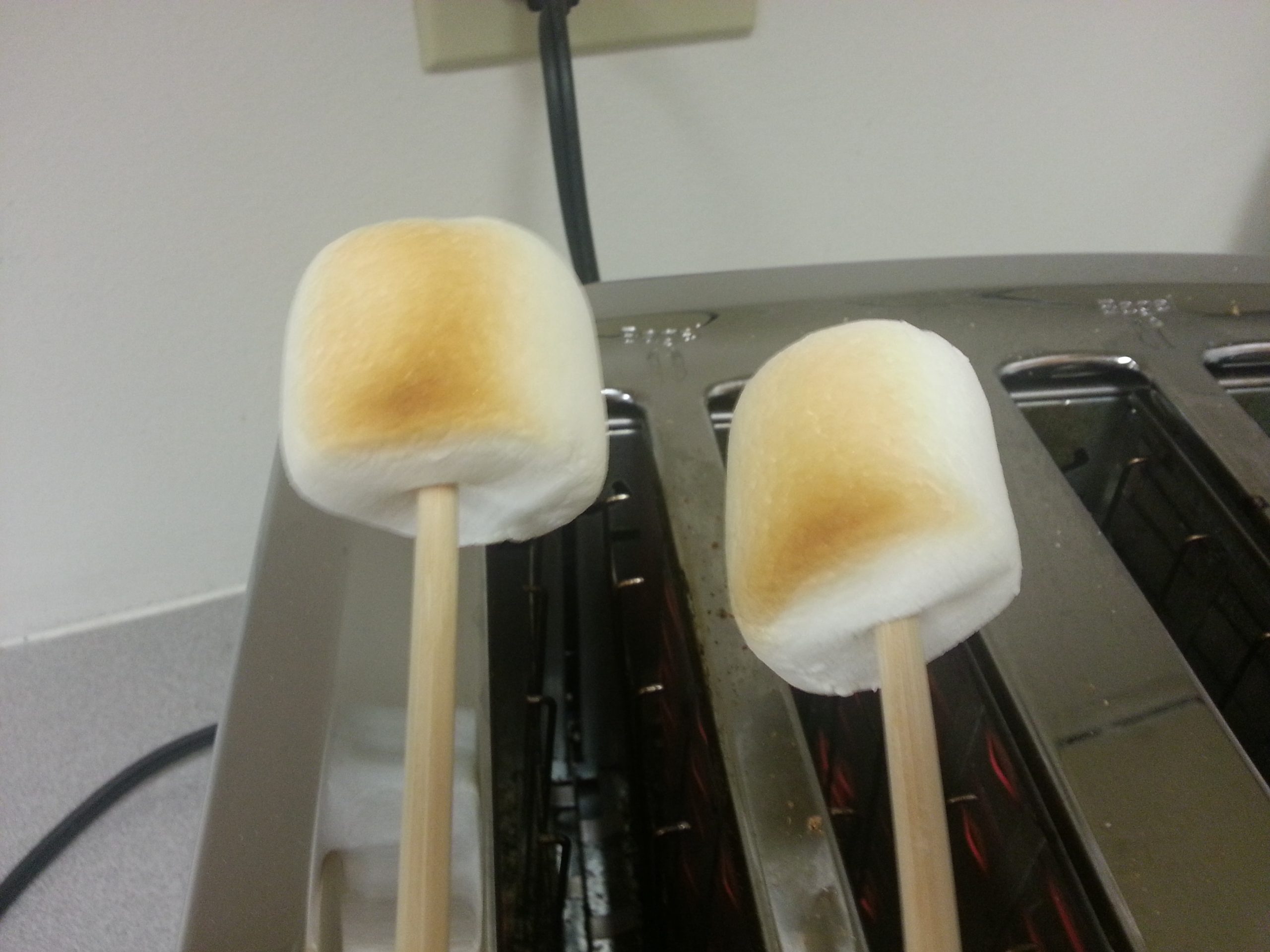
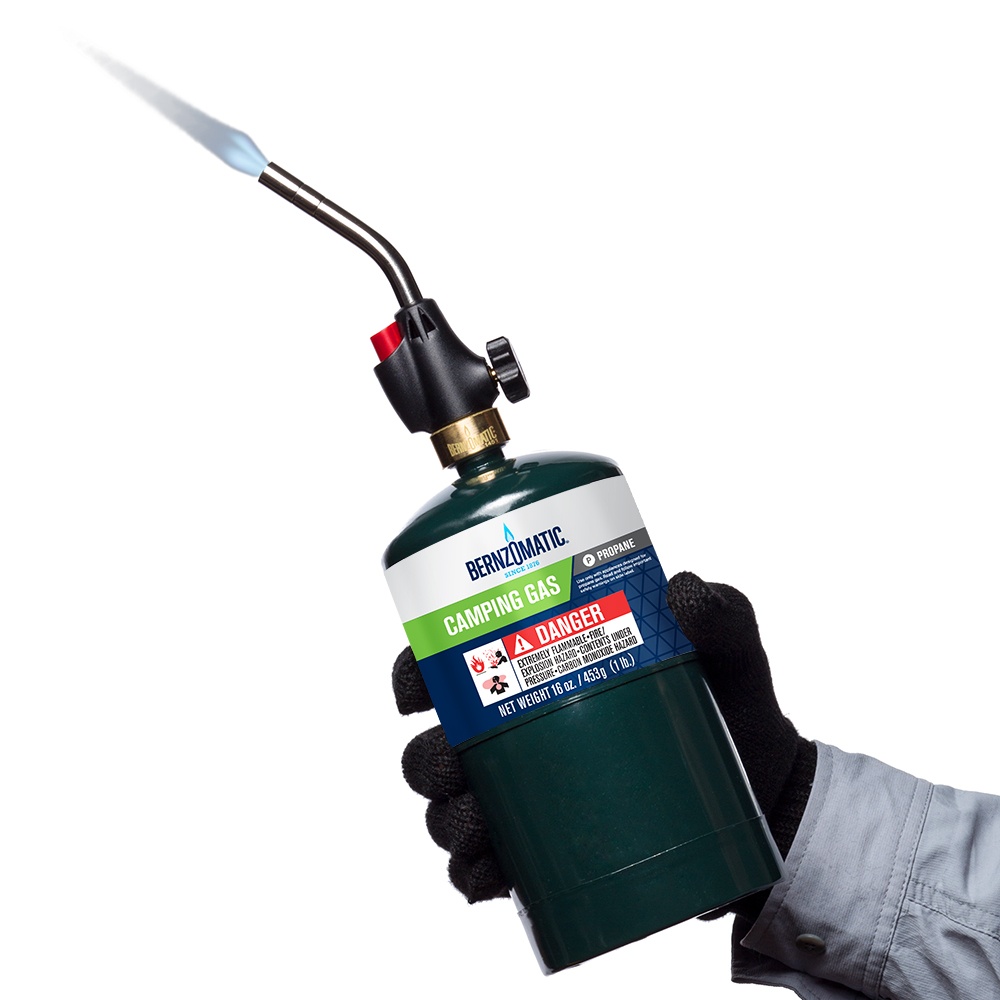
Don’t dismay if you don’t or can’t have an open campfire for your dessert finale. You can use your propane stove, torch attached to a propane canister, oven broiler, gas stove and even a microwave (seriously, though?).

Photo by Lee from Pexels

Smores Torch

One of my favorite at-home s’mores makers is the Camco Little Red Campfire. It’s a small, portable campfire that uses propane underneath a ring of fake logs. It comes with a lid so you can close it up when you’re done and not worry about anything catching fire once you turn in. Plus, you can have a campfire right there on your deck or in your kitchen!


Today, I’d rather have just the toasted marshmallows and leave the mess to the millennials. But that doesn’t mean I can’t appreciate a good gathering around the campfire. FYI, National S’mores Day is August 10 so get roasting.

Looking for some S’Mores Variations?

Minty S’more- sub peppermint patty for chocolate bar
Gold Dust S’more- Sub coconut marshmallow for plain
Bananarama S’more- Sub banana for graham crackers (put this mess in foil then roast on the coals).
Cow Patty S’more- sub chocolate chip cookies for graham crackers
S’mores Por Favor- roll it up in a tortilla instead of using graham crackers
Camp Cone S’mores- Sub ice cream waffle cones for graham crackers

smores

Photo by MothersNiche

2018 National Park Fees To Jack Tourists

national park fees

UPDATE: In response to public outcry, Interior Secretary Ryan Zinke has backed off doubling national park fees and settled on a “more modest $5 increase” for most entrances. Annual passes, however, will jump $10. Starting June 1, they will go up from $60 to $70. BTW, the NPS wants you to know that nearly two thirds of the park system is free. Fee schedule.


I’m not an activist per se. I don’t march on the Capitol nor handout leaflets at the Save Our Canyons rallies but when it comes to jacking fees that would have a detrimental effect on the admiration, inspiration and appreciation of our public lands I can’t just ignore it and hope the greenies do their job.

The National Park Service announced Tuesday that it plans to nearly TRIPLE the entrances fees to some of our most popular parks during peak season (i.e. Summer). * Maybe if you’re a senior with a lifetime pass, big whup but this increase to National Park fees is outrageous and lame. Seventy dollars to take a drive through Zion? Most people would start going to Disneyland. The per vehicle charge would more than double at four of Utah’s five NPs.

The new fee schedule would also charge $50 per motorcycle (WTF?!) and $30 per person not in a personal vehicle. They claim that all of the funds would be used to “improve facilities, infrastructure, and visitor services, with an emphasis on deferred maintenance projects.”

I get that the National Parks are woefully underfunded –  all of our public lands actually — but this hike is counterintuitive. What’s the point in protecting the lands for the people if the people can’t or won’t afford to visit them?! In addition, the Department of Interior plans to cut $1.5 billion in funding and proposes to massively ramp up energy development and they expect the public to pick up the slack if we want to keep our open space protected? Bullshit. Trump strikes again.

And, really, the logic behind this hike is skewed. If you increase entrance fees to a single park to $70 hoping to have money for improvements at all NPs, what’s to stop guests from purchasing the $80 season pass? But if visitors do that, 80 percent of the money from a season pass stays with the Park where it was purchased. And what about parks considering a reservation system like Zion and Arches? There won’t be nearly as much gain hiking peak season prices if fewer guests are allowed into the parks or are steered toward offseason visits.

The fee hike is proposed to go into effect during the high-season of 2018 at Arches, Bryce Canyon, Canyonlands, Denali, Glacier, Grand Canyon, Grand Teton, Olympic, Sequoia & Kings Canyon, Yellowstone, Yosemite, Zion, Acadia, Mount Rainier, Rocky Mountain, Shenandoah, and Joshua Tree national parks.

The 30-day comment period on the proposed fee increase ends on November 23, 2017. Please take a moment to let Secretary Zinke know that you believe national parks should remain accessible — and affordable — for all by clicking “Comment Now”.


*The peak season for each park is defined as the busiest contiguous five-month period and would be as follows: 

– May 1-September 30 for Arches National Park, Bryce Canyon National Park, Canyonlands National Park, Denali National Park, Glacier National Park, Grand Canyon National Park, Grand Teton National Park, Olympic National Park, Sequoia & Kings Canyon National Park, Yellowstone National Park, Yosemite National Park, Zion National Park
– June 1-October 31 for Acadia National Park, Mount Rainier National Park, Rocky Mountain National Park, Shenandoah National Park
– January 1-May 31 for Joshua Tree National Park

The NPS will still be doing their fee-free days –

  • September 22: National Public Lands Day
  • November 11: Veterans Day
1 6 7 8 9 10 35